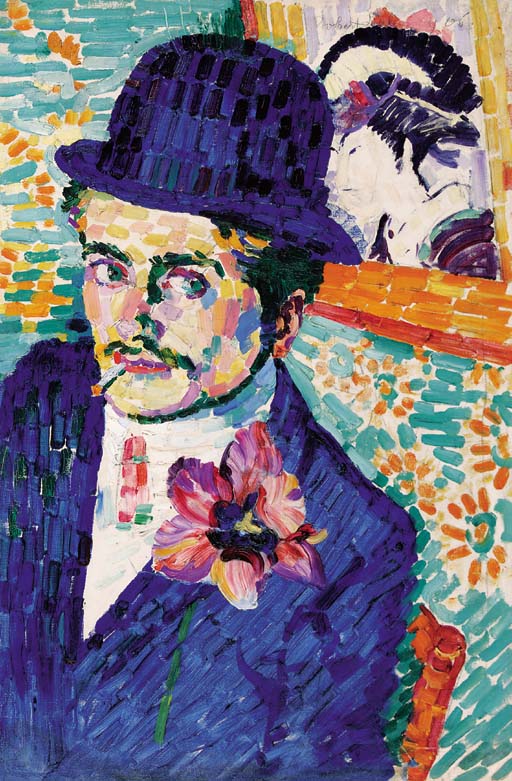
Figure 12:9. Robert Delaunay, L’homme à la Tulipe, 1906, oil on canvas, 73.5 x 48.5 cm, Acàdemie de la Palette, Paris, France. You Might Also Like Figure 9:12. Andō Hiroshige, Suruga-chō (Suruga Street), No. 8 from the series Meisho Edo hyakkei, One Hundred Famous Views of Edo, 1856, woodblock print, 36.3 x 24.1 cm, Library of Congress, Washington DC. January 27, 2026 Figure 12:6. Egon Schiele, Seated Woman with Bent Knee, 1917, watercolour, gouache, and black crayon on paper, 46 x 30.5 cm, National Gallery, Prague, Czech Republic. January 27, 2026 Figure 9:2. Hei tiki, nineteenth century, pounamu (nephrite jade with abalone inlay), 15.5 x 7.6 cm, The Metropolitan Museum of Art, New York City. Hei tiki pendants were often worn in honour and acknowledgement of figures of one’s whakapapa, or ancestral lineage. January 27, 2026 Leave a Reply Cancel reply Save my name, email, and website in this browser for the next time I comment.
Figure 9:12. Andō Hiroshige, Suruga-chō (Suruga Street), No. 8 from the series Meisho Edo hyakkei, One Hundred Famous Views of Edo, 1856, woodblock print, 36.3 x 24.1 cm, Library of Congress, Washington DC. January 27, 2026
Figure 12:6. Egon Schiele, Seated Woman with Bent Knee, 1917, watercolour, gouache, and black crayon on paper, 46 x 30.5 cm, National Gallery, Prague, Czech Republic. January 27, 2026
Figure 9:2. Hei tiki, nineteenth century, pounamu (nephrite jade with abalone inlay), 15.5 x 7.6 cm, The Metropolitan Museum of Art, New York City. Hei tiki pendants were often worn in honour and acknowledgement of figures of one’s whakapapa, or ancestral lineage. January 27, 2026