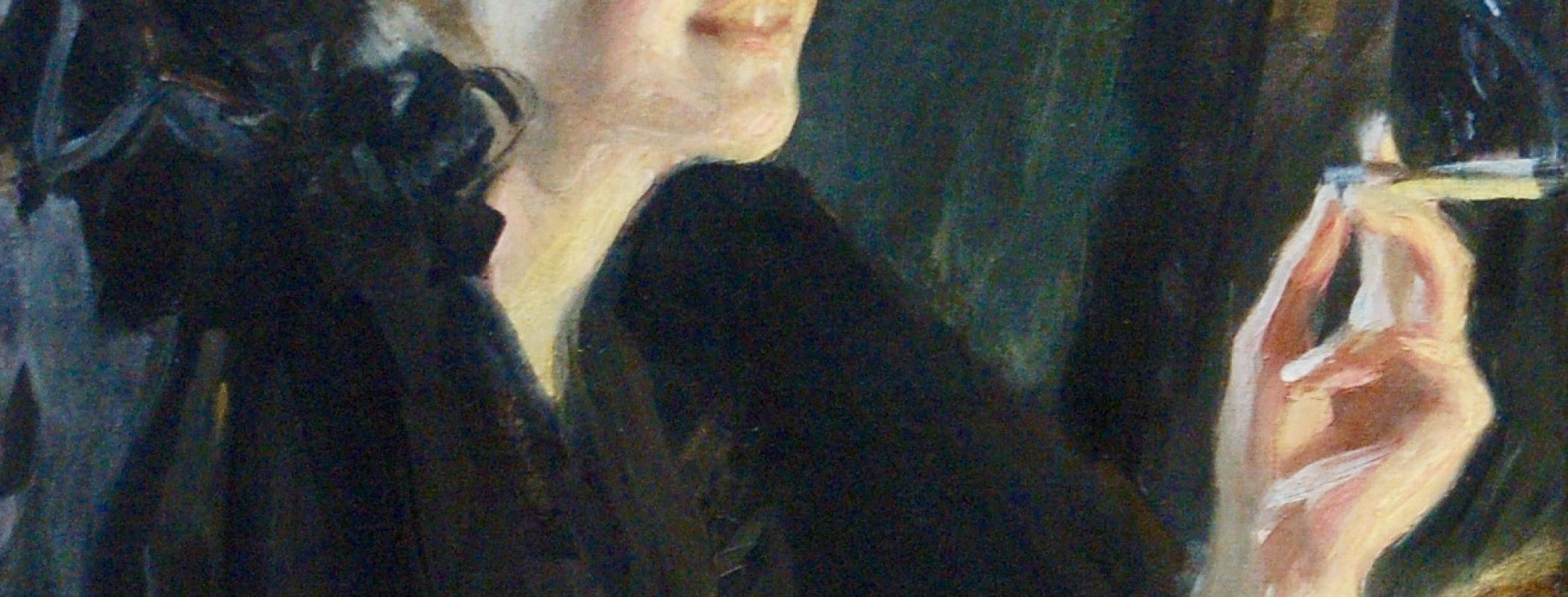
Figure 8:1. Anders Zorn, Girl with a Cigarette, 1892, oil on canvas, 52.7 x 46.2 cm, Légion de Honor, San Francisco; (previously Robert W. de Forest New York family collection) USA.
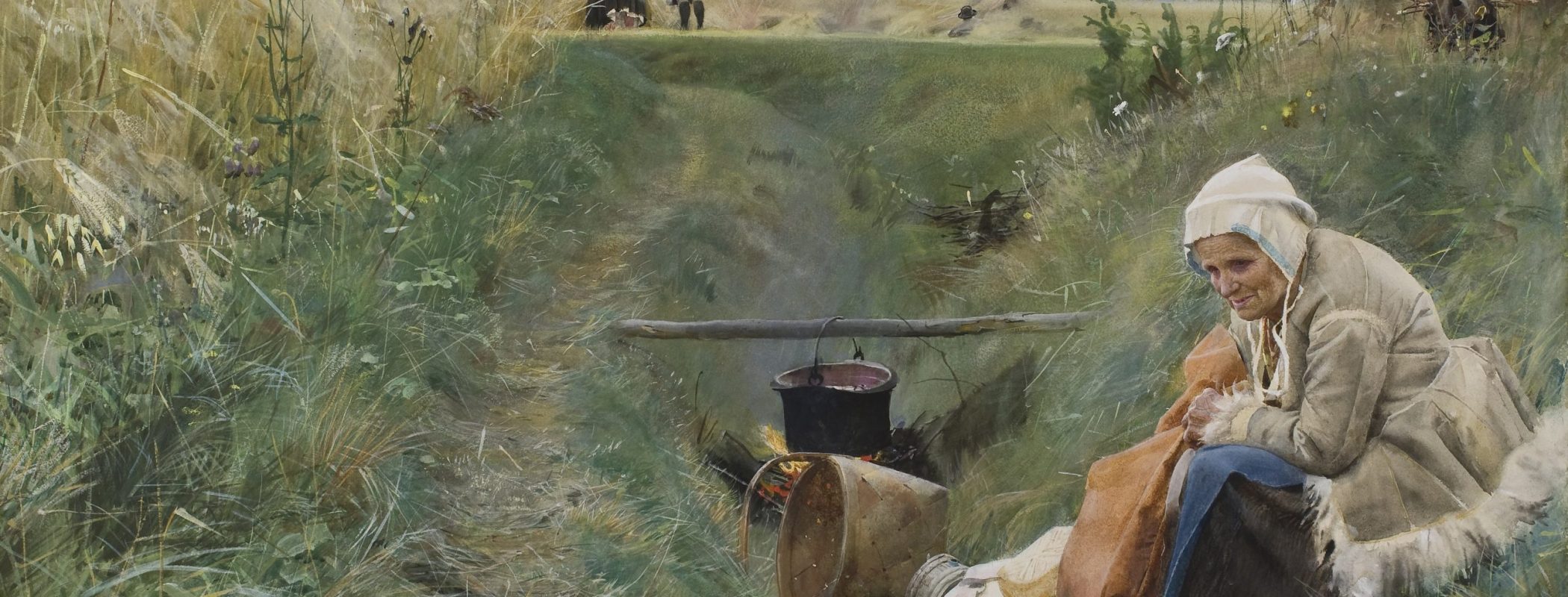
Figure 8:2. Anders Zorn, Our Daily Bread (Vårt dagliga bröd), 1886, watercolour on paper, 68 x 102 cm, Nationalmuseum, Stockholm, Sweden.
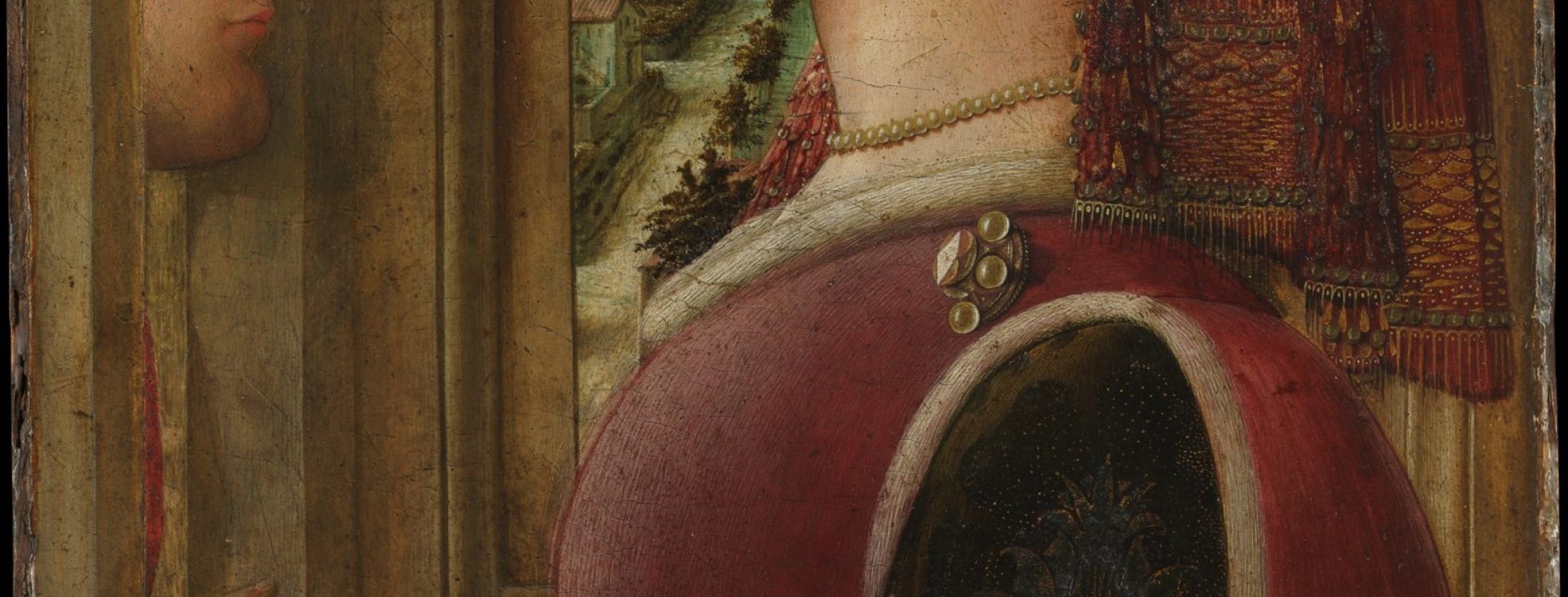
Figure 8:3. Fra Filippo Lippi, Portrait of a Woman with a Man at a Casement, c. 1440–1444, tempera on wood, 64.1 x 41.9 cm, The Metropolitan Museum of Art, New York City.
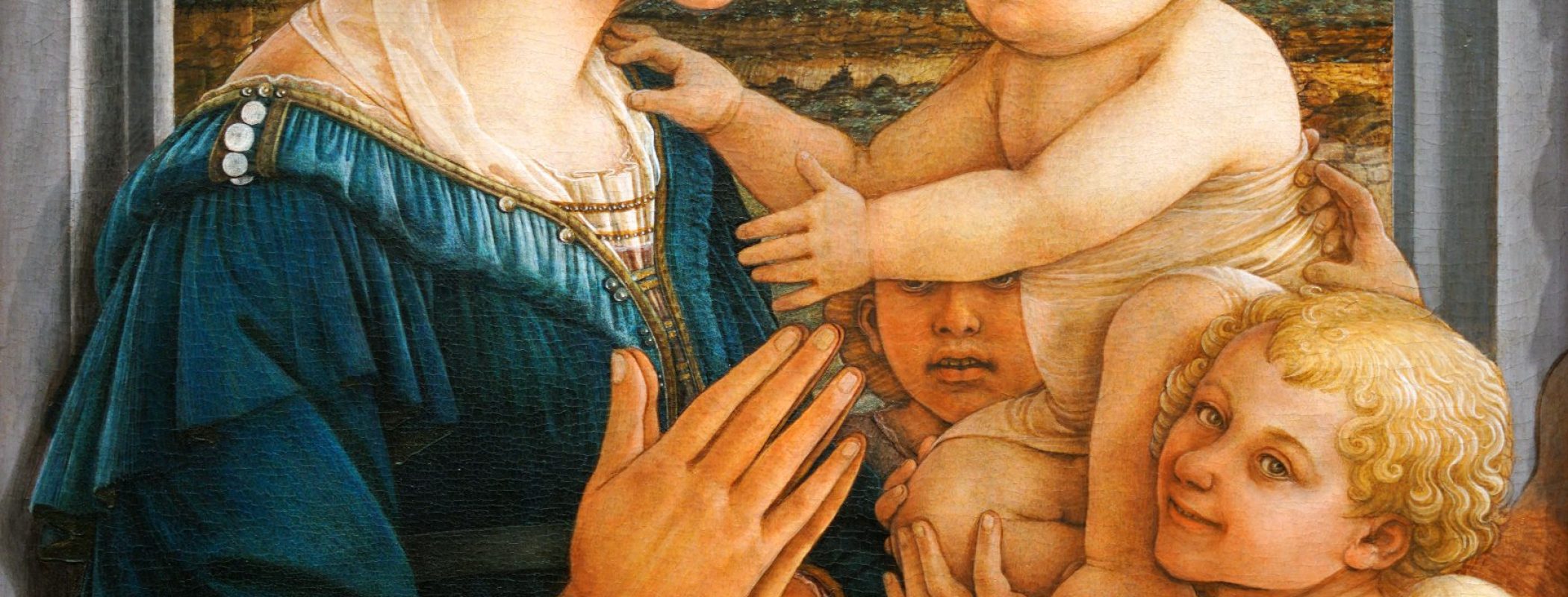
Figure 8:4. Fra Filippo Lippi, Madonna and Child with Two Angels, 1460–1465, tempera on wooden panel, 95 x 62 cm, Uffizi Gallery, Florence, Italy.
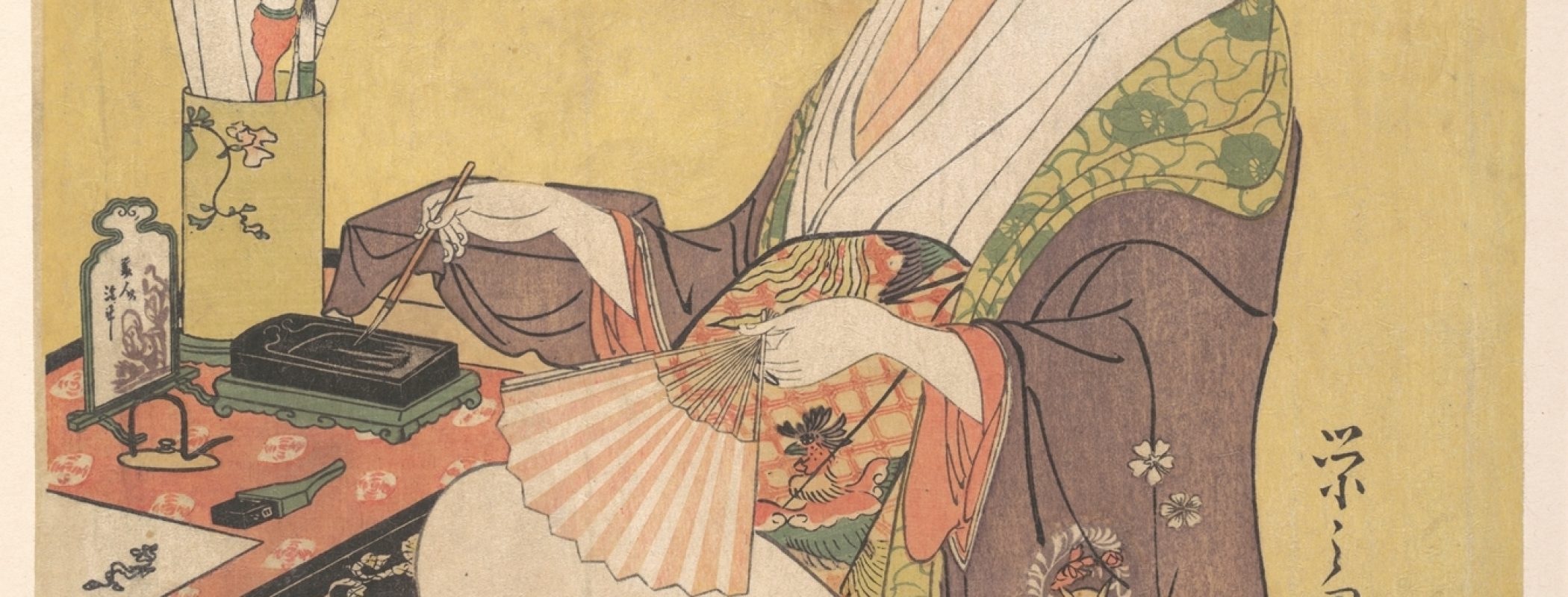
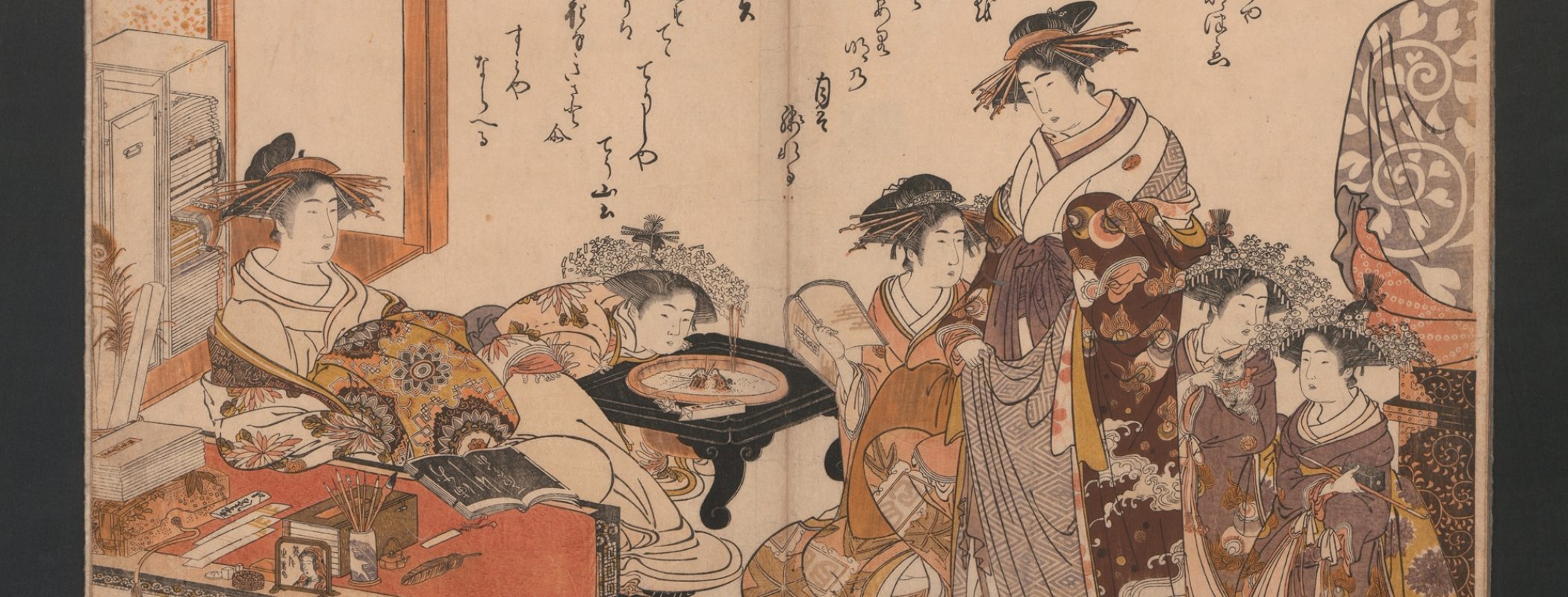
Figure 8:5. Chōbunshai Eishi, The Courtesan Hanaōgi of the Ōgiya Brothel (Ōgiya Hanaōgi), from the series Beauties of the Pleasure Quarters as Six Floral Immortals (Seirō bijin rokkasen), publisher Eijudo; c. 1794, polychrome woodblock print (nishiki-e), 37 × 25.1 cm, The Metropolitan Museum of Art, New York City.
Figure 8:6. Kitao Masanobu (aka Santō Kyōden), A New Record Comparing the Handwriting of the Courtesans of the Yoshiwara (Yoshiwara keisei shin bijin jihitsu kagami), 1784, early spring, woodblock printed book illustration, 38 × 26 cm, The Metropolitan Museum of Art, New York City.
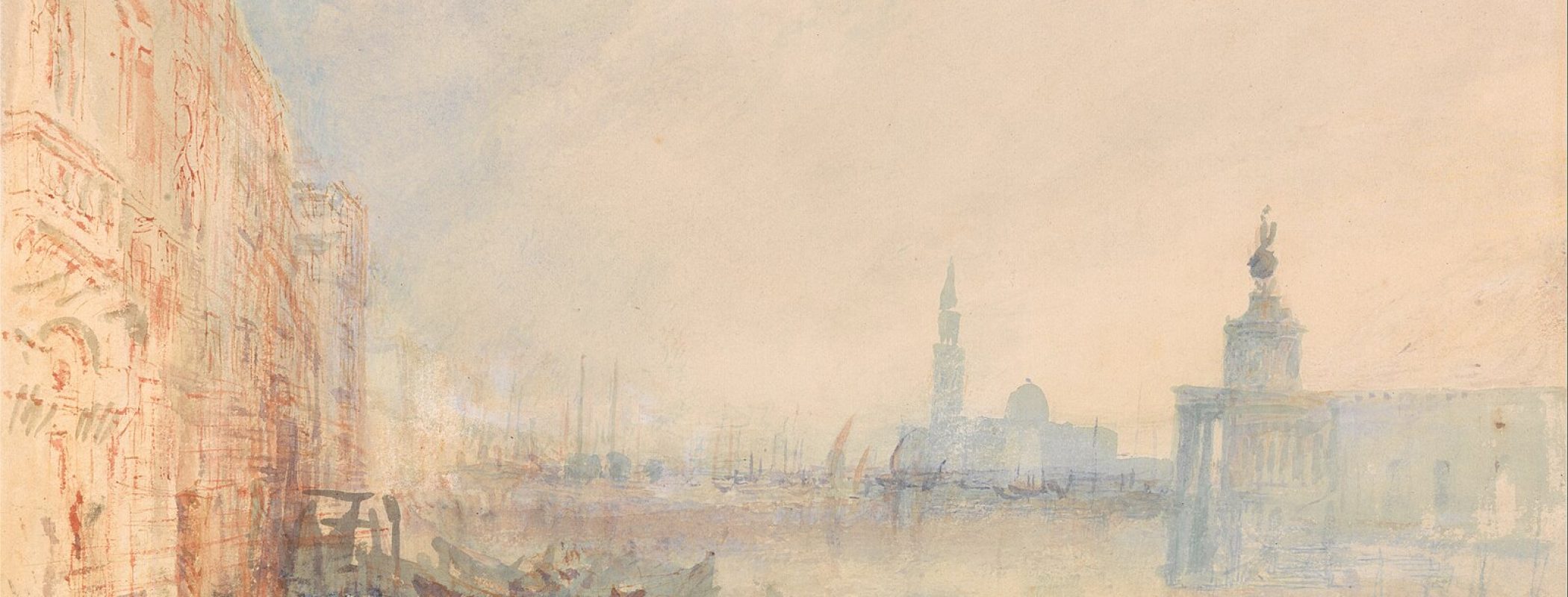
Figure 8:7. J. M. W. Turner, RA, Venice, The Mouth of the Grand Canal, 1834/1840, watercolour over pencil on paper, 22.2 x 31.8 cm, Yale Center for British Art, Paul Mellon Collection.
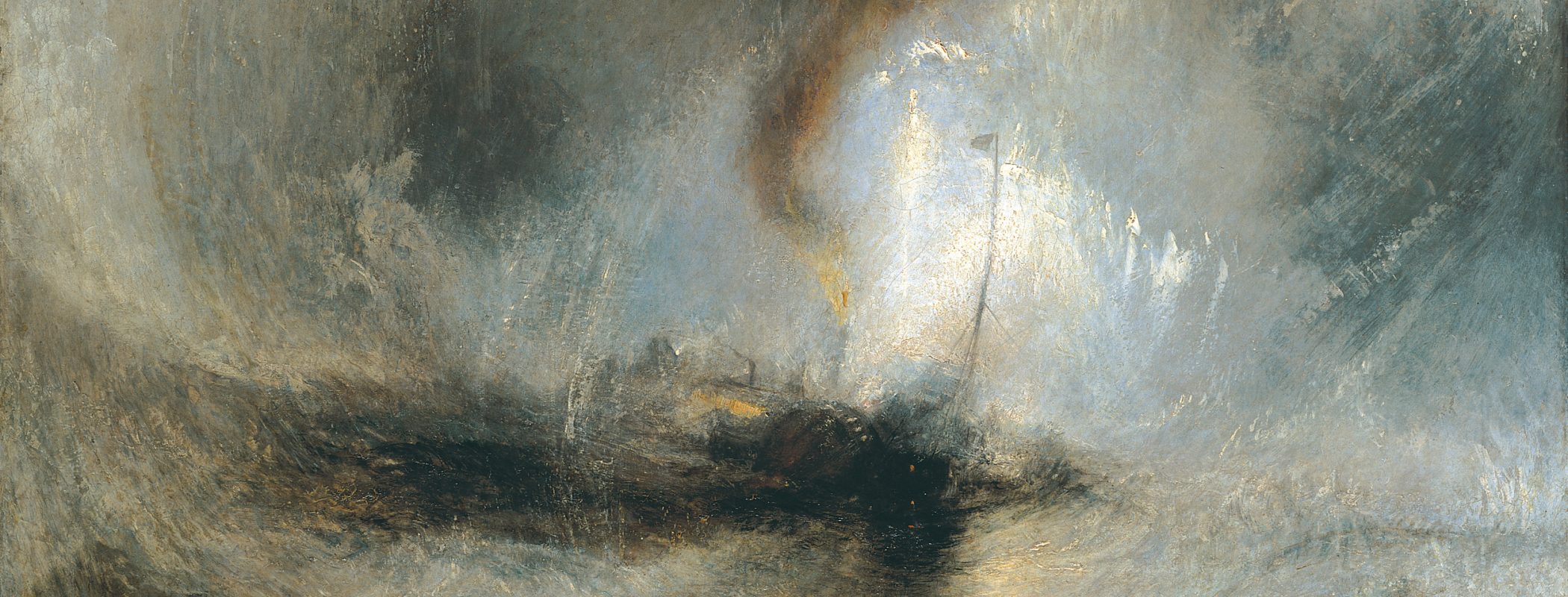
Figure 8:8. J. M. W. Turner, RA, Snowstorm – Steamboat off a Harbour’s Mouth (Making Signals in Shallow Water, and taking the Lead), c. 1842, oil on canvas, 91 x 122 cm, Tate Britain, London.
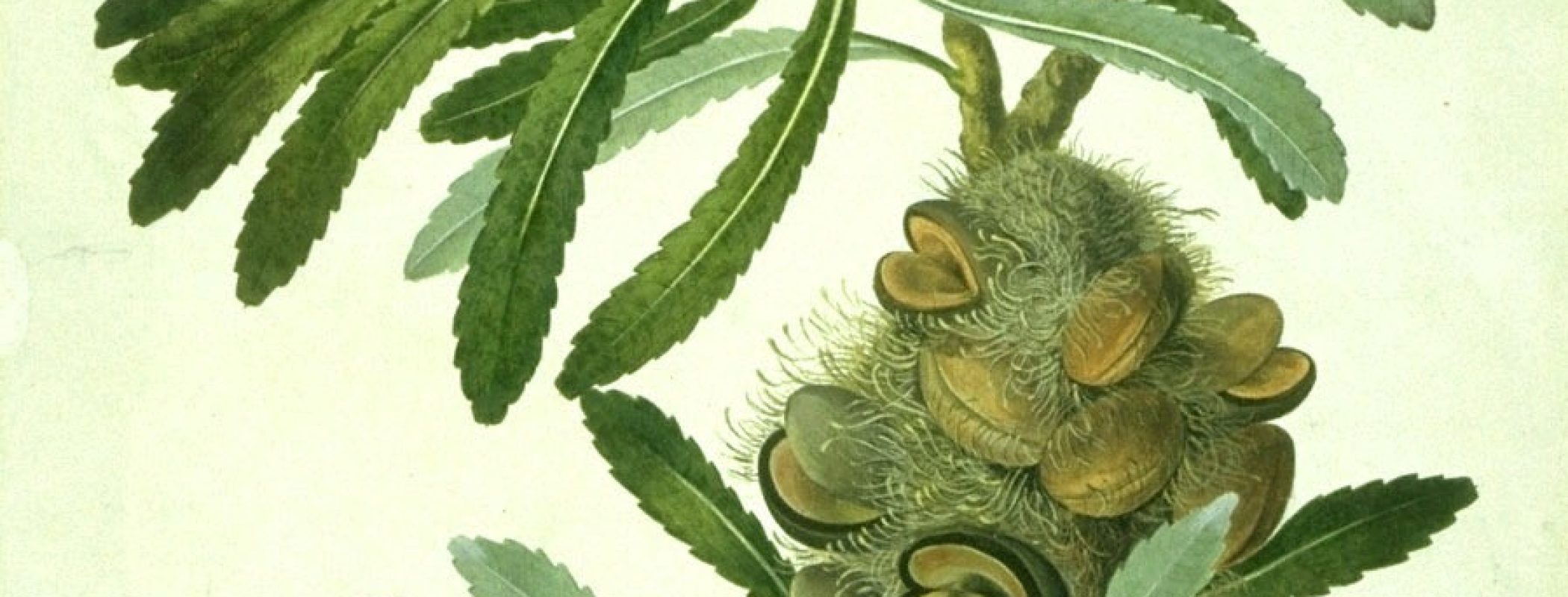
Figure 9:1. Sydney Parkinson, completed by John Frederick Miller. Banksia serrata. 1773, watercolour on paper, Natural History Museum of London.
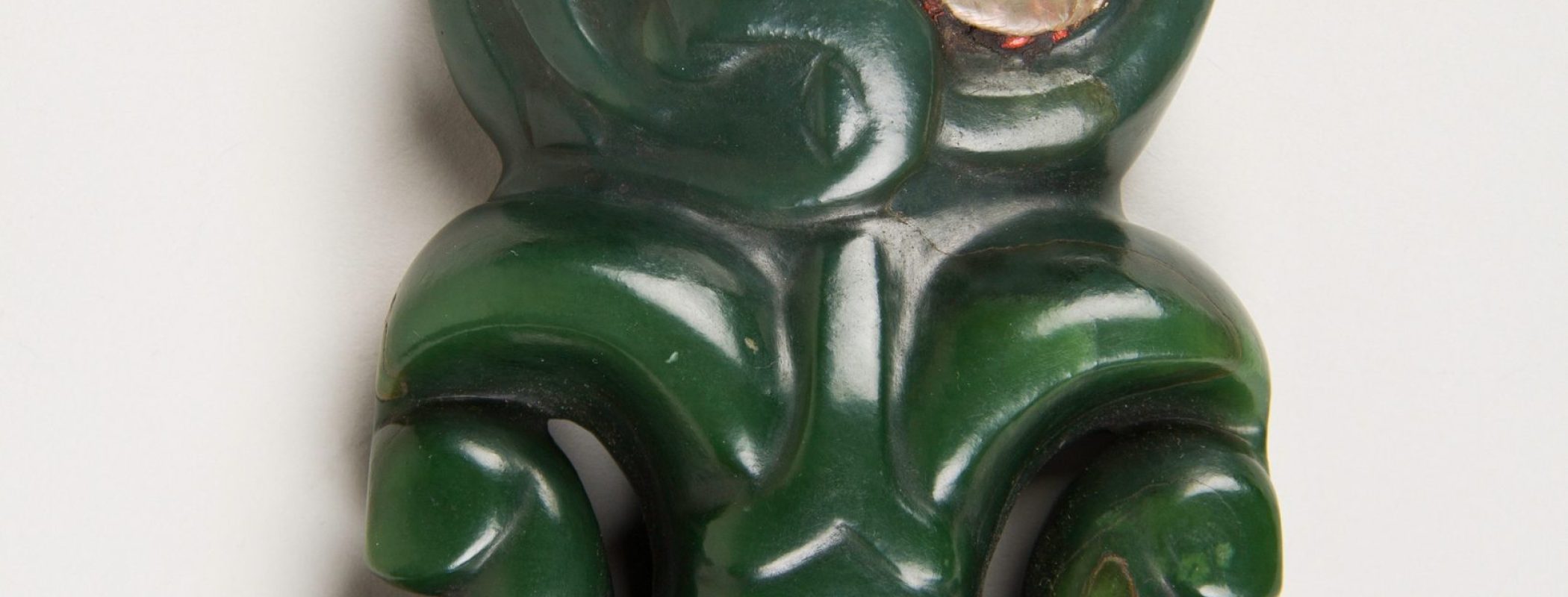
Figure 9:2. Hei tiki, nineteenth century, pounamu (nephrite jade with abalone inlay), 15.5 x 7.6 cm, The Metropolitan Museum of Art, New York City. Hei tiki pendants were often worn in honour and acknowledgement of figures of one’s whakapapa, or ancestral lineage.