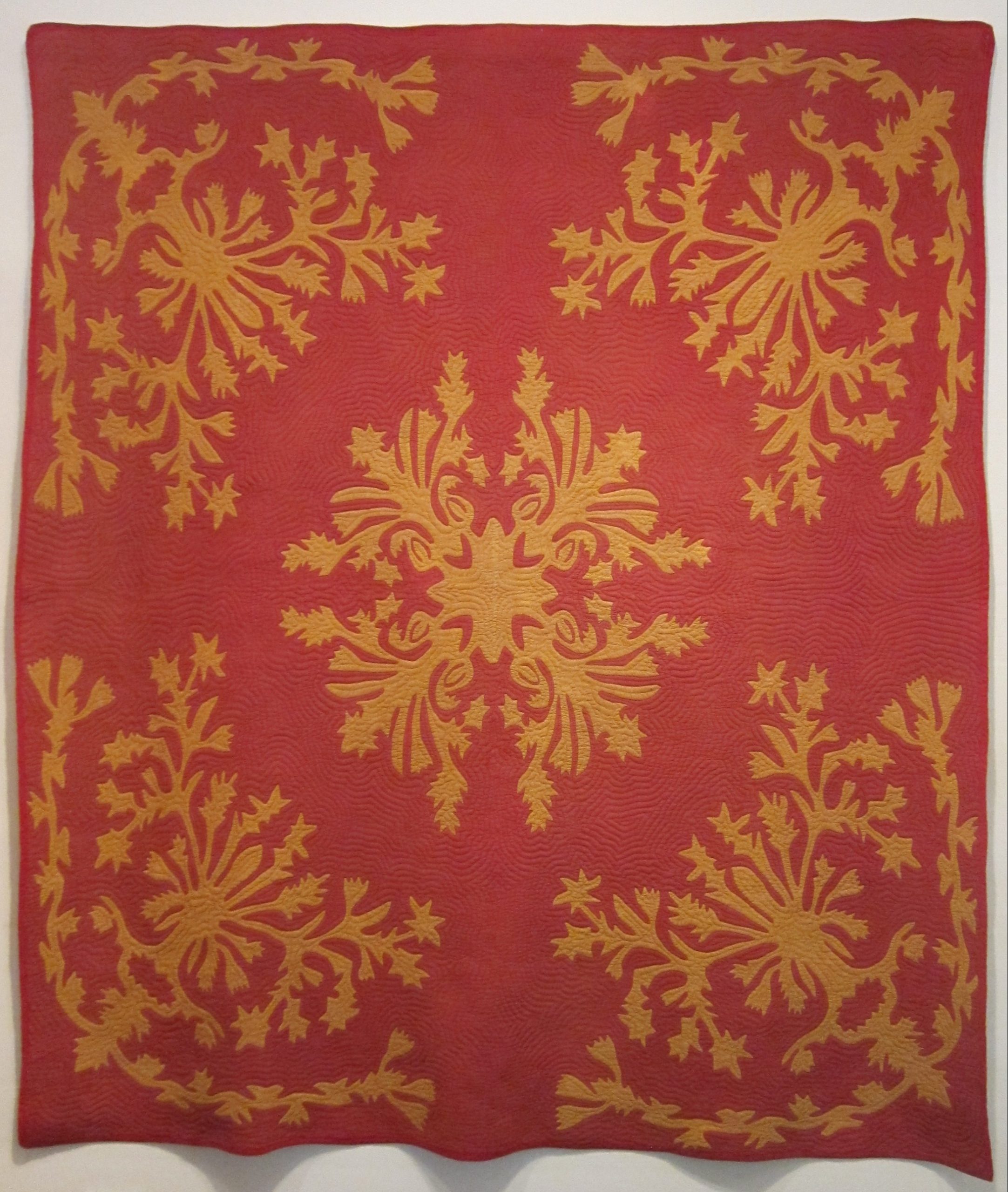
Figure 9:10. anonymous artist/s (attr. Matilda Leborio), Hawaiian tīvaevae manu quilt, “Ka Ua Kani Lehua” (The Rain that Rustles Lehua Blossoms), 1925–1950, cotton, plain weave, appliquéd and quilted, Honolulu Museum of Art. You Might Also Like Figure 10:5. Cimabue, Madonna and Child Enthroned (Maestà – Majesty), 1280–c. 1285, tempera on wooden panel, 223 x 385 cm, Uffizi Gallery, Florence, Italy. January 27, 2026 Figure 9:2. Hei tiki, nineteenth century, pounamu (nephrite jade with abalone inlay), 15.5 x 7.6 cm, The Metropolitan Museum of Art, New York City. Hei tiki pendants were often worn in honour and acknowledgement of figures of one’s whakapapa, or ancestral lineage. January 27, 2026 Figure 12:4. Gustav Klimt, The Kiss, 1907–1908, oil and gold leaf on canvas, 180 x 180 cm, Austrian Gallery, Upper Belvedere Palace, Belvedere, Vienna, Austria. January 27, 2026 Leave a Reply Cancel reply Save my name, email, and website in this browser for the next time I comment.
Figure 10:5. Cimabue, Madonna and Child Enthroned (Maestà – Majesty), 1280–c. 1285, tempera on wooden panel, 223 x 385 cm, Uffizi Gallery, Florence, Italy. January 27, 2026
Figure 9:2. Hei tiki, nineteenth century, pounamu (nephrite jade with abalone inlay), 15.5 x 7.6 cm, The Metropolitan Museum of Art, New York City. Hei tiki pendants were often worn in honour and acknowledgement of figures of one’s whakapapa, or ancestral lineage. January 27, 2026
Figure 12:4. Gustav Klimt, The Kiss, 1907–1908, oil and gold leaf on canvas, 180 x 180 cm, Austrian Gallery, Upper Belvedere Palace, Belvedere, Vienna, Austria. January 27, 2026